


 July 7, 2026
 How Salt Water Affects Your Washing Machine
If you live near the coast, you already know salt gets into everything, your car, your patio furniture, even your hair. But a lot of people don’t realize it can quietly wreck their washing machine too.
Whether it’s coastal tap water, well water with a high salt content, or just washing a pile of beach towels and swimsuits after a fun day in the ocean, salt water has a way of sneaking into your appliance and causing damage over time. The good news? Once you understand how it happens, it’s pretty easy to prevent.
If your machine is already showing signs of trouble, it’s worth calling a trusted appliance service in Saint Petersburg before a small issue turns into an expensive repair or a full replacement.
Why Salt Water Ends Up in Washing Machines
There are a few common ways salt finds its way into your laundry routine:
Coastal or well water. If you live near the beach or use well water, your tap water may naturally carry more salt and minerals than city water in inland areas.
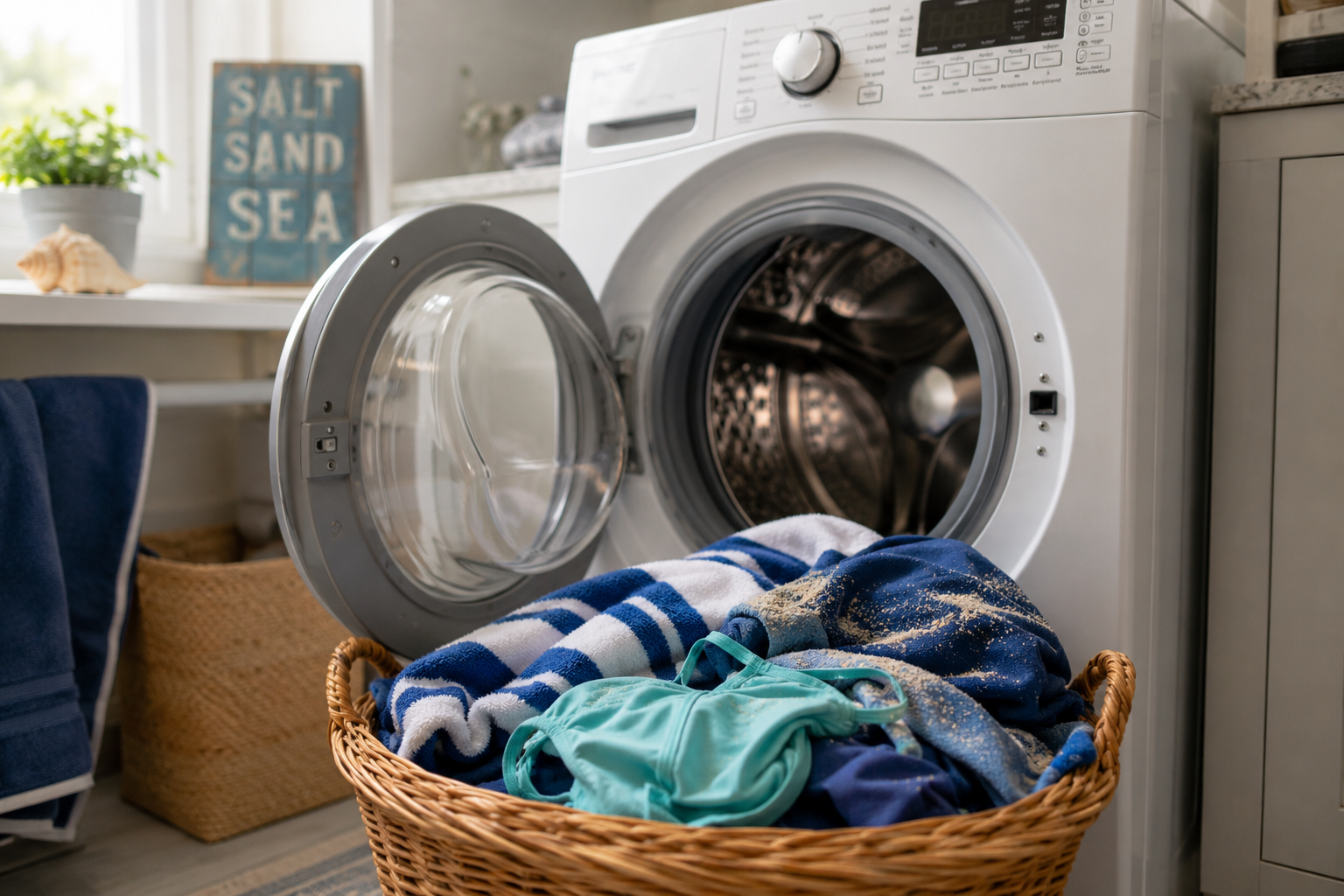
Beach towels and swimwear. Anything soaked in ocean water and thrown straight into the wash brings salt residue along with it.
Water softeners. Ironically, some water softening systems use salt in the process, and if they’re not maintained properly, extra salt can end up in your wash water.
None of these are usually a huge problem on their own. The issue is what happens when it becomes a regular pattern.
Why Salt Is So Rough on Appliances
Salt speeds up rust and corrosion. That’s just basic chemistry, salt breaks down protective coatings on metal much faster than plain water does. Inside a washing machine, that means:
- The drum can develop rust spots and rough patches that snag clothes
- Water inlet valves can corrode and start leaking or malfunctioning
- Heating elements lose efficiency as buildup forms
- Pumps and hoses wear out faster, which can lead to leaks
- Rubber seals and gaskets dry out and crack sooner than they should
None of this happens overnight. It’s a slow process, but over months and years, it adds up to real damage.
Warning Signs to Watch For
Your machine will usually give you a heads-up before something breaks completely. Keep an eye out for:
- Rust spots or orange staining inside the drum
- Grinding, squeaking, or knocking sounds during a cycle
- Water leaking from the bottom or around the door seal
- Wash cycles taking longer than usual
- Clothes coming out less clean, or with a faint mineral smell
If any of these sound familiar, don’t wait too long to get it checked out. Corrosion tends to get worse fast once it starts.
How to Avoid Salt Water Damage: A Simple Guide
You don’t need to overhaul your laundry routine to protect your machine. A few small habits go a long way.
1. Rinse beach items before washing. Give towels, swimsuits, and beach bags a quick rinse with a hose or in a sink before tossing them in the machine. This removes most of the surface salt before it ever touches your washer.
2. Wipe down the drum after heavy use. After washing salty or sandy items, run an empty hot cycle or wipe the drum with a damp cloth. This helps flush out any leftover residue.
3. Check your water source. If you’re on well water or live right on the coast, consider getting your water tested. High salt or mineral content might mean a filtration system is worth the investment.
4. Maintain your water softener properly. If you use one, make sure it’s serviced regularly so it isn’t accidentally adding more salt than it’s supposed to remove.
5. Clean the machine monthly. Run a cleaning cycle (many machines have one built in) or use a washing machine cleaner once a month. This helps dissolve mineral and salt buildup before it settles into hard-to-reach parts.
6. Dry out the machine between loads. Leave the door open after each wash so moisture doesn’t sit inside. Combined with salt residue, trapped moisture speeds up rust.
7. Don’t ignore small leaks or noises. A tiny leak or odd sound is much cheaper to fix than a corroded pump or a cracked drum. Catching problems early saves money in the long run.
Keeping Your Washing Machine Running Longer
At the end of the day, a washing machine is a big investment, and the difference between it lasting 8 years or 15 often comes down to simple maintenance habits. Salt water damage is preventable, it just takes a little awareness and a few extra minutes here and there.
When to Call a Professional
Some things are easy to handle yourself, like rinsing towels or running a cleaning cycle. But if you’re already seeing rust, hearing strange noises, or dealing with leaks, it’s time to bring in a professional. Trying to fix corrosion-related issues without the right tools can sometimes make things worse, and a technician can catch problems in the pump, valves, or heating element before they turn into a full breakdown.
FAQs
Can salt water permanently damage a washing machine?
Yes, over time, repeated exposure to salt water can cause rust and corrosion in metal parts that may eventually require repair or replacement.
Is it safe to wash swimwear with salt water residue?
It’s generally fine occasionally, but rinsing items first and cleaning your machine regularly helps prevent buildup and long-term damage.
How often should I service my machine if I live near the coast?
A yearly checkup is a good baseline, though homes with well water or heavy beach-related laundry may benefit from checking every six months.