


 September 6, 2025
 Refrigerator Coils Cleaning: A Step-by-Step Guide to Maintaining Your Fridge
Keeping your refrigerator in good working condition requires regular maintenance, and refrigerator coils cleaning is one of the most important tasks to ensure optimal performance. Dirty condenser coils on the fridge can cause your appliance to work harder, increase energy consumption, and even shorten its lifespan. In this guide, we will take you through the process of how to clean condenser coils on the fridge, highlight the importance of regular cleaning, and provide additional refrigerator maintenance tips.
Key Takeaways
- Refrigerator coils cleaning is essential for maintaining energy efficiency and proper cooling.
- Dirty coils can cause the fridge to work harder, leading to increased energy costs and potential damage.
- Regular cleaning can extend the fridge’s lifespan and improve overall performance.
- This guide includes a step-by-step process for cleaning the condenser coils on the fridge and additional maintenance tips.
What Are Refrigerator Coils and Why Are They Important?
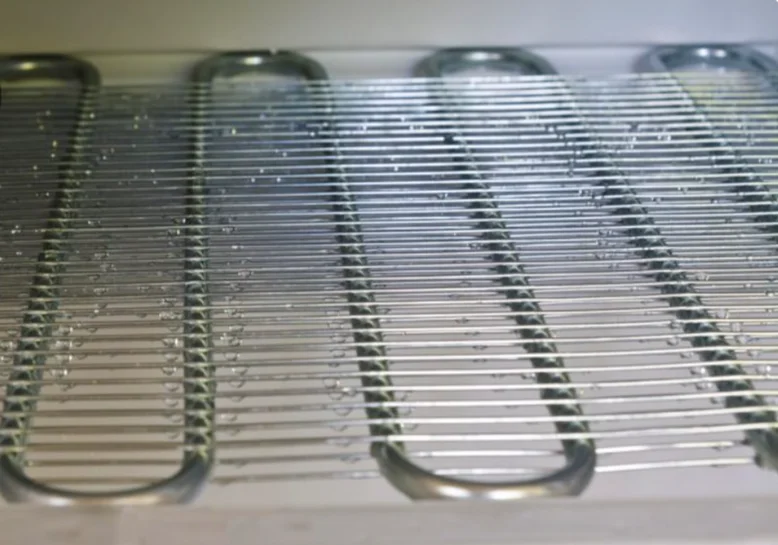
The refrigerator coils are a critical component of your fridge’s cooling system. Located either at the back or beneath the fridge, condenser coils on the fridge help release the heat from inside the refrigerator, allowing it to maintain a cool temperature. Over time, dust, dirt, and debris accumulate on these coils, hindering their ability to function efficiently. When this happens, your fridge must work harder to keep cool, resulting in higher energy bills and a less effective appliance.
Cleaning the condenser coils on the fridge regularly ensures they operate efficiently, which directly impacts the fridge’s cooling performance and energy use. In addition, it helps prevent unnecessary wear on the compressor and extends the lifespan of the appliance.
How to Identify Dirty Coils
It’s important to identify when your refrigerator coils need cleaning. Here are some signs that the coils are dirty and need attention:
- Increased Energy Bills: A significant rise in your electricity bills could indicate that your fridge is working harder than usual.
- Fridge Running Continuously: If your fridge runs constantly without turning off, it may be due to dirty coils that are impeding the cooling process.
- Warm Interior Temperature: If the inside of your fridge feels warmer than usual, it might be struggling to cool because of inefficient condenser coils.
If you notice any of these signs, it’s time to check the condenser coils on the fridge and clean them to restore efficiency.
How to Clean Condenser Coils on Fridge
Condenser coil cleaning is a necessary process to avoid future refrigerator problems. Here’s a step-by-step guide to help you clean your refrigerator coils effectively.
Unplug the Fridge and Prepare the Area
Before starting any maintenance work, always unplug the fridge to ensure safety. This is essential to avoid any electrical accidents. Move any items around the fridge to clear the area and allow easy access to the coils. If the fridge is located in a tight space, consider pulling it out to give yourself more room to work.

Locate and Access the Condenser Coils
Condenser coils on the fridge are typically located at the bottom or back of the refrigerator. For bottom coils, you may need to remove a protective panel to access them. If your fridge has coils at the back, you may need to pull the appliance out slightly to get a better view. Depending on the model, the coils might be visible or hidden under a grill or panel.
Clean the Coils with the Right Tools
You’ll need the proper tools to clean the refrigerator coils effectively:
- Coil cleaning brush: A long, flexible brush designed to reach between coils and scrub away dirt and dust.
- Vacuum cleaner with hose attachment: Ideal for removing loose dirt and debris from the coils.
- Compressed air (optional): Can help blow out hard-to-reach debris.
Start by using the vacuum to remove loose dirt and dust. Next, use the coil cleaning brush to scrub between the coils. Be gentle to avoid damaging the coils. For particularly stubborn dirt, compressed air can be used to blow away debris from tight spaces.
Reconnect the Fridge and Test for Performance
After cleaning, plug the fridge back in and allow it to run for a while. Check for any signs of improved cooling and listen for normal operating sounds. You should notice that the fridge is quieter and runs more efficiently after a good cleaning. A well-maintained fridge will cycle properly, turning off once it reaches the desired temperature.
Other Refrigerator Maintenance Tips
Cleaning the condenser coils on the fridge is just one part of regular refrigerator maintenance. Here are additional tips to keep your fridge running smoothly:
- Check Door Seals: Make sure the door seals are tight to prevent cold air from escaping. Clean the seals regularly to avoid mold buildup.
- Set the Right Temperature: The ideal temperature for your fridge is between 35°F and 38°F (1.6°C to 3.3°C). Setting it too low can cause unnecessary energy use, while setting it too high can reduce cooling efficiency.
- Defrost Regularly: If your fridge has a manual defrost feature, be sure to defrost it periodically to maintain efficiency.
- Keep the Interior Clean: Regularly clean the inside of your fridge, removing any spoiled food or spills to prevent bacteria buildup.
If you’re unsure about performing these tasks or prefer professional help, you can schedule an appointment online with Smart Appliance Services for a refrigerator inspection and maintenance.
Final Thoughts
Regular refrigerator coils cleaning is essential for maintaining the efficiency of your fridge. By cleaning the condenser coils on the fridge, you can help your appliance run efficiently, reduce energy consumption, and extend its lifespan. It’s a simple maintenance task that can have a significant impact on your fridge’s performance and your energy bills.
FAQ
How often should I clean my refrigerator coils?
It’s recommended to clean your refrigerator coils every 6 to 12 months, depending on your fridge’s usage and environment. If you have pets or live in a dusty area, more frequent cleaning may be necessary.
Can dirty refrigerator coils cause the fridge to overheat?
Yes, when the condenser coils are dirty, they struggle to release heat, causing the fridge to overheat and work harder to maintain a cold temperature. This can lead to higher energy bills and potential damage to the fridge’s components.
Should I attempt to clean the coils myself, or should I hire a professional?
While cleaning the refrigerator coils yourself is a straightforward task, if you’re uncomfortable with the process or unable to access the coils, it’s best to hire a professional for assistance. Smart Appliance Services can help with coil cleaning and other maintenance.